
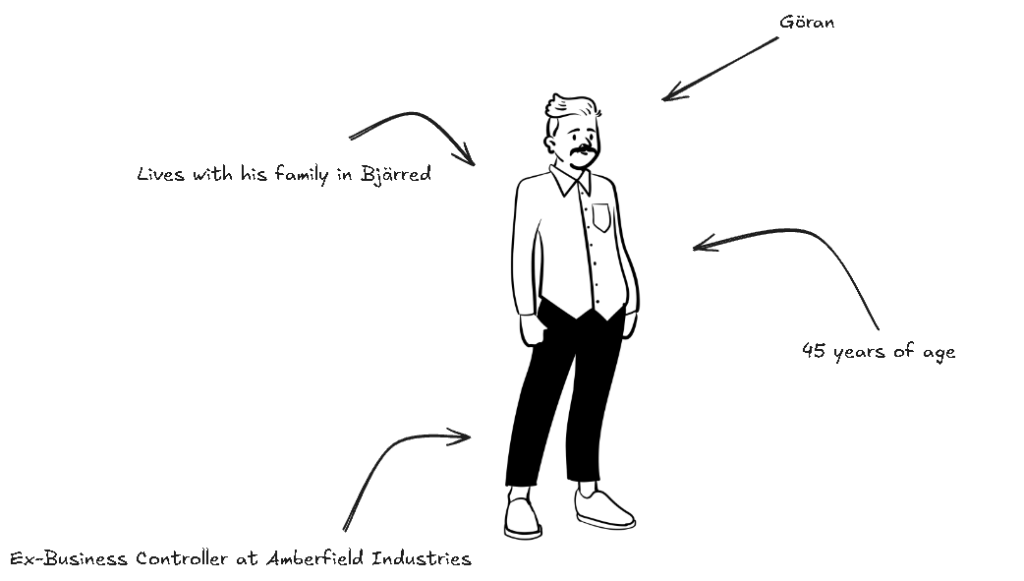
Göran left the company six months ago. Everyone knows it. HR processed the resignation, IT collected the laptop, and someone even sent a farewell message in Teams.
But Göran’s accounts in Salesforce, Jira, and the VPN are still active.
That’s the Göran problem.
And honestly, most companies have one. Göran isn’t doing anything wrong, he’s just… still here.
The Göran problem is when former employees still have active accounts in one or more systems after they’ve left the company.
It usually happens by mistake. HR marks the person as “terminated”, but IT never gets the update. Someone says they’ll clean up old accounts “later”, and later never comes.
Weeks turn into months, and Göran still has access to company data.
Leaving old accounts open isn’t just a simple miss. It creates several problems:
Even if a company has good processes, it still happens that some user accounts stay active. Sometimes HR offboards a user, but the change doesn’t reach IT right away. Or a user remains active in the main directory longer than intended. Small delays like that are enough to leave accounts open for weeks or months.
The Göran problem doesn’t come from one mistake. It’s a mix of process gaps and human habits:
Put all that together, and you end up with ghost accounts that no one notices until an audit or incident. It’s a very human problem, which is why it keeps happening even in digital systems.
Every company has them. Finding them is the first step.
If you think you only have one, double-check. Görans travel in packs.
The solution is to make offboarding automatic and consistent.
The Göran problem isn’t really about Göran. It’s about how easily organisations lose control of access when people leave.
Fixing it improves security, compliance, and efficiency at the same time.
Every company has a Göran. The important part is making sure his access really ended when his job did.